KoloQR vs the Popular QR Code Generators
Honest, side-by-side comparisons with the QR code generators people ask about most. Pick a tool below to see where each one genuinely leads.
Compare KoloQR Side by Side
Choose a generator to see the full side-by-side - features, pricing, and the honest picture of where each tool leads.



















Static Design, or Dynamic Tracking?
Nearly every comparison here comes down to the same split. KoloQR is built for free, design-first static codes; most of the others are platforms built around dynamic codes and scan analytics. Neither is better, they're built for different jobs.

KoloQR: Free, Design-First Static Codes
If you want a good-looking, print-ready code in seconds, with no account and no subscription, KoloQR is the quickest path.
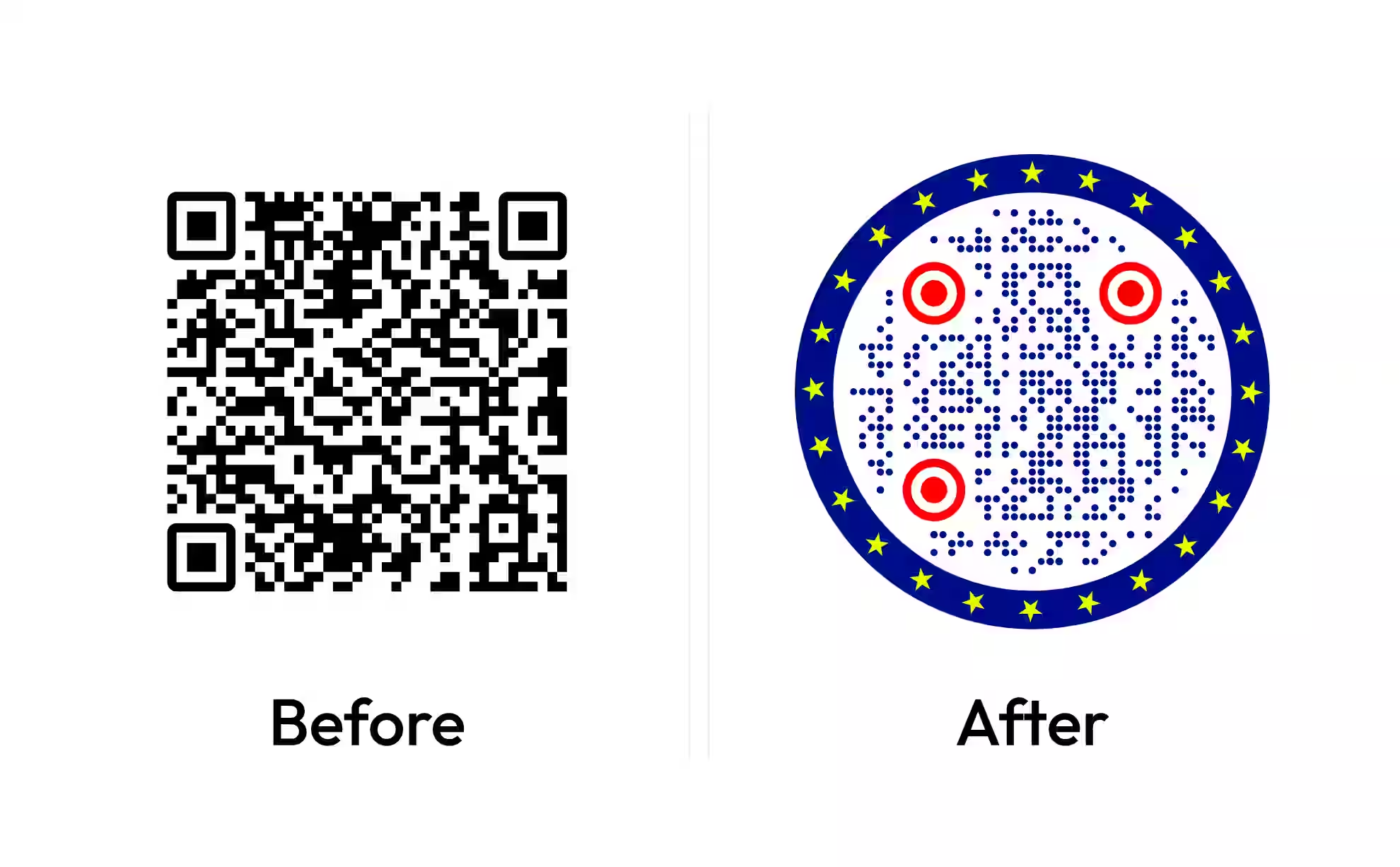
- Custom Shapes - Circular, hexagonal, triangular, and rectangular codes, plus logos and full colour control.
- No Account, No Cost - Generate, style, and download PNG and vector files without signing up or paying.
- Print-Ready and Open Source - SVG, PDF, and EPS export, a contrast checker, and source you can inspect or self-host.
KoloQR makes static codes: the data is encoded directly, so they never expire and never depend on a subscription. The trade-off is that you can't change where they point or track scans once printed.
The Alternatives: Tracking, Campaigns, and Scale
If you need to edit a code after printing, measure scans, or manage codes across a team, a dynamic platform is built for exactly that, and KoloQR isn't.
Tools like QR Tiger, ME-QR, QRFY, and Flowcode centre on dynamic codes you can repoint after printing, with analytics by time, location, and device, plus bulk creation, campaign management, and integrations. That depth is the reason to pay for one, and the reason it stops working if the subscription lapses. Pick a comparison above to see exactly where each tool leads.
Generate QR Code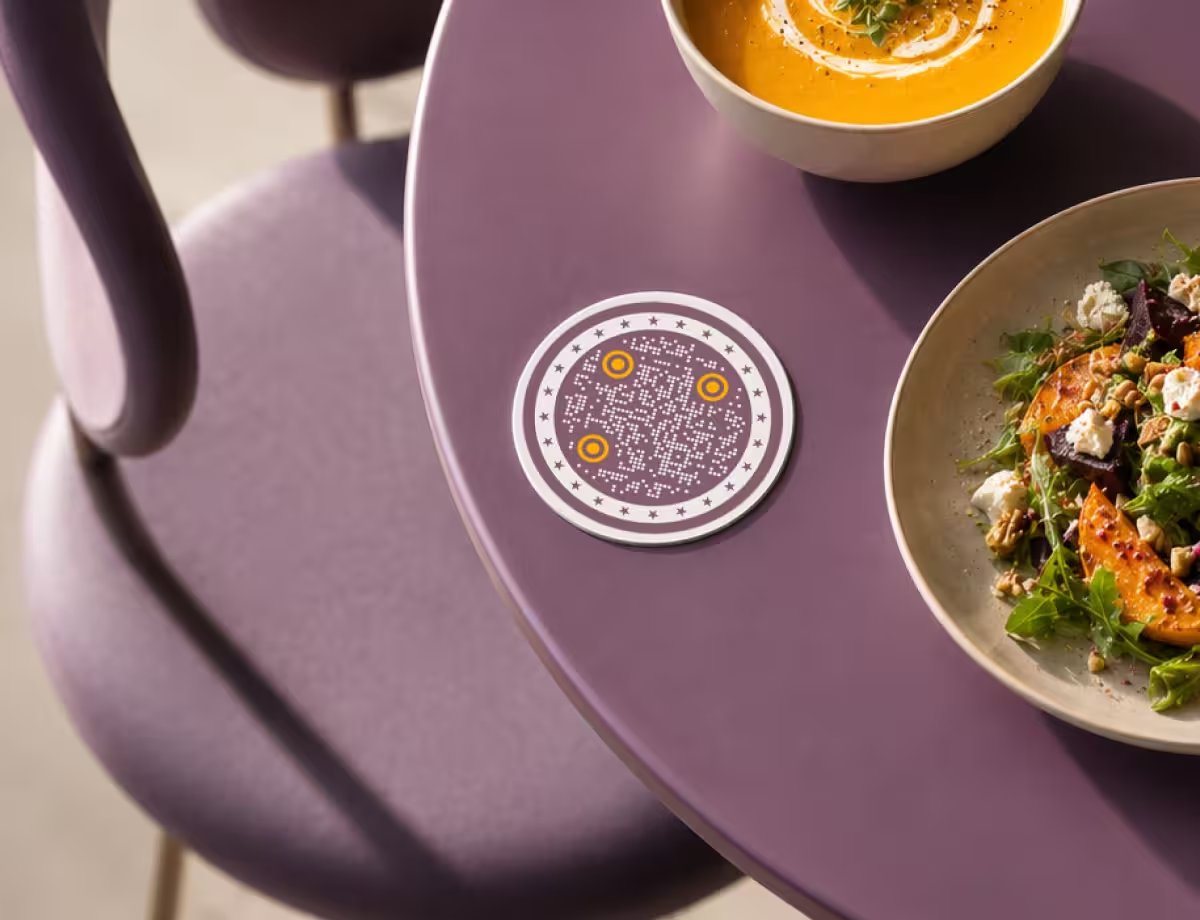
Questions? Answered
Ask whether the code needs to change or be measured after printing. If yes, a dynamic platform like QR Tiger, ME-QR, QRFY, or Flowcode is worth the account and subscription. If not, a free static KoloQR code is simpler, permanent, and costs nothing.
A static code stores the data in the pattern itself, so it never expires and needs no service behind it, but the destination is fixed once printed. A dynamic code stores a link to the provider's redirect, which they can repoint and track for as long as the account stays active. KoloQR makes static codes.
Yes. KoloQR is free with no account, no subscription, and no watermark, including vector export. Most alternatives have a free tier too, but gate dynamic codes, analytics, or vector downloads behind an account and paid plans.
No. KoloQR makes static codes, so there's no scan tracking and the destination is fixed once printed. If you need either, use a dynamic platform - each comparison above shows which one fits.
KoloQR leads on design: custom outer shapes (circular, hexagonal, triangular), logos, full colour control, print-ready vector export, and a contrast checker. It's also open source. Most tracking platforms style patterns and frames but keep a square code.
For free static codes, KoloQR is hard to beat: no account, no watermark, custom shapes and colors, and vector export all included. Tools like QRCode Monkey and QR Tiger also have free tiers, but usually gate dynamic codes, analytics, or downloads behind a paid plan.
Static codes never expire, the link is encoded directly. Dynamic codes depend on the provider's redirect and usually stop working if the subscription lapses. Check the plan's terms before printing dynamic codes at volume.
Pick the tool you're weighing KoloQR against above. Each page is an honest, side-by-side look at features, pricing, and where that tool genuinely leads, including the things it does better than KoloQR.
Why KoloQR?
- Create QR codes for websites, menus, Wi-Fi, PDFs, and business cards
- Customize colors, logos, and unique shapes
- Download high-quality PNG and SVG files
- Built for both print and digital