Notes From Building a QR Code Generator
The guides answer the question you arrived with. This is the rest: where the format came from, what we measured when we weren't sure, and what changed in the generator and why. Posted when there's something worth saying rather than on a schedule.
Industry
How to Create a QR Code in Canva and Export It So It Still Scans

Industry
QR Tiger Is Free Twice Over, and Only One of Them Is Really Free
Industry
QRFY Is Free for Static Codes, and Most of Its Types Are Not Static
Industry
ME-QR Is Free, and the Person Scanning Pays for It

Industry
Unitag's Free QR Codes Stop Working After 100 Scans
Research
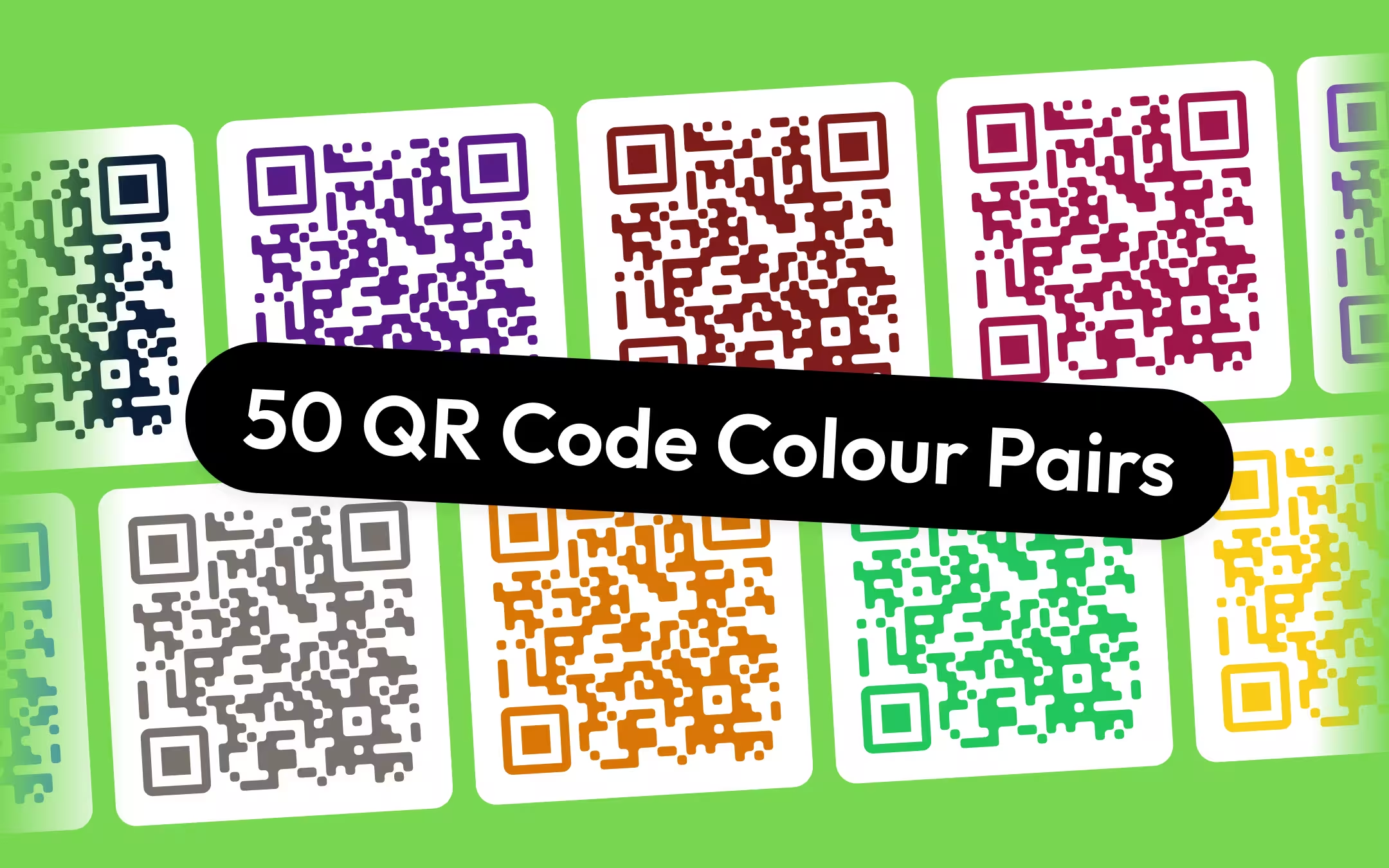
Fifty QR Code Colour Pairs, and Which of Them Survive Print
Industry
QRCode Monkey Is Genuinely Free, and Its PDF Is Not Vector

Research
A QR Code in a Video Ad Needs a Third of the Screen. It Gets a Corner

Industry
The Sign Lasts Ten Years. The Subscription Renews Monthly.
Industry
Seven Flowcode Alternatives and What Each Replaces
Research
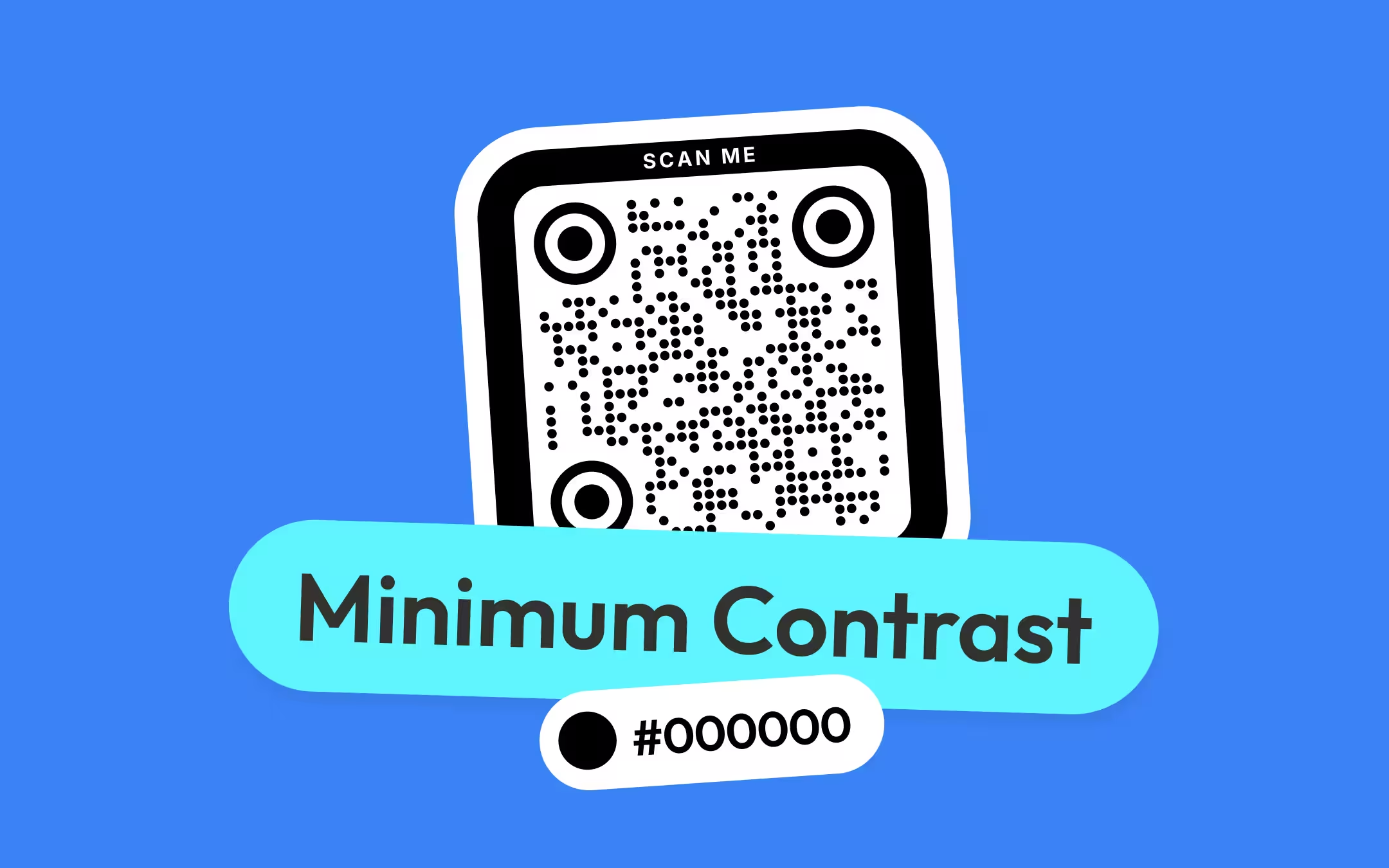
A QR Code Decodes at 1.2:1. Do Not Design Anywhere Near It
Research
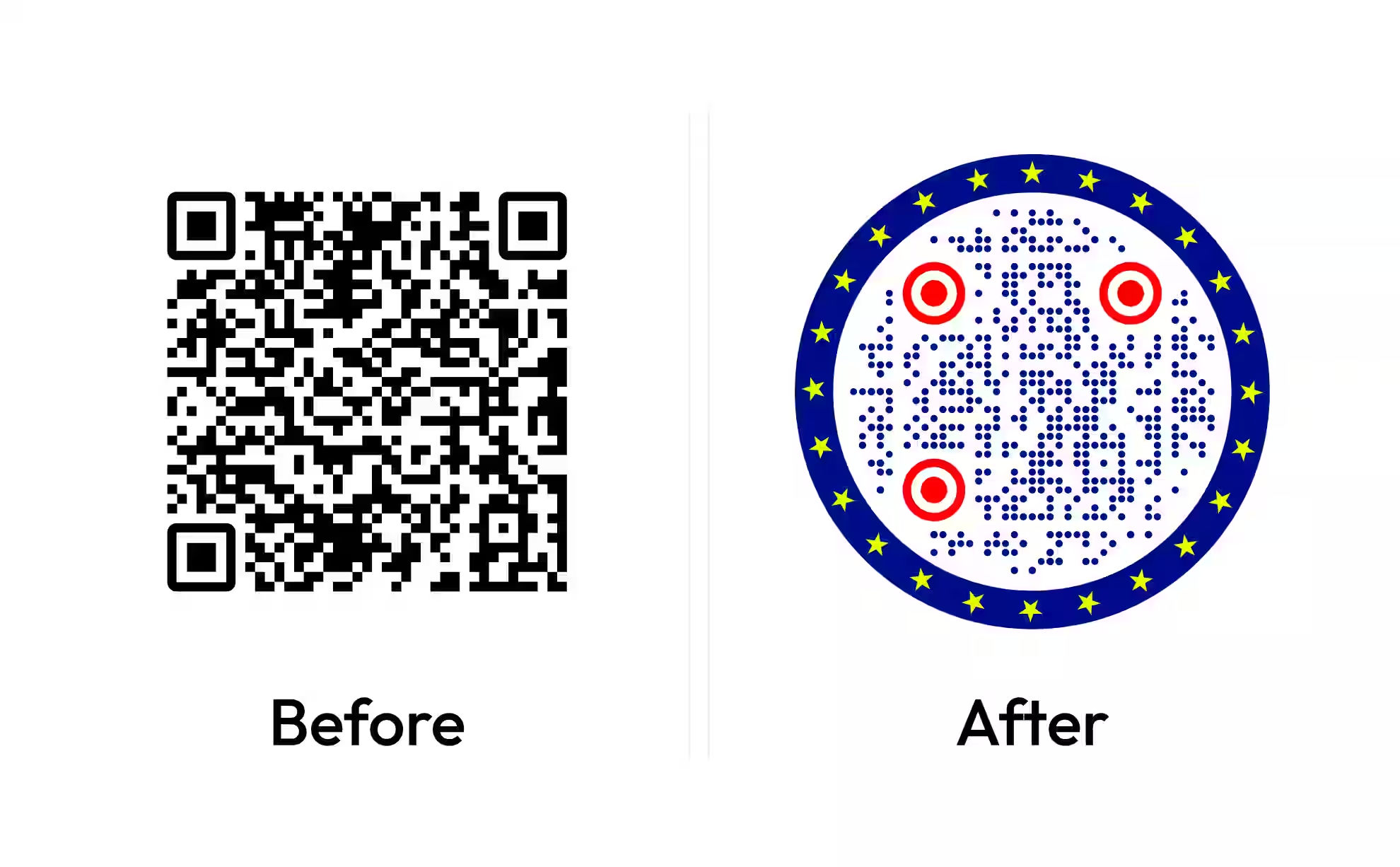
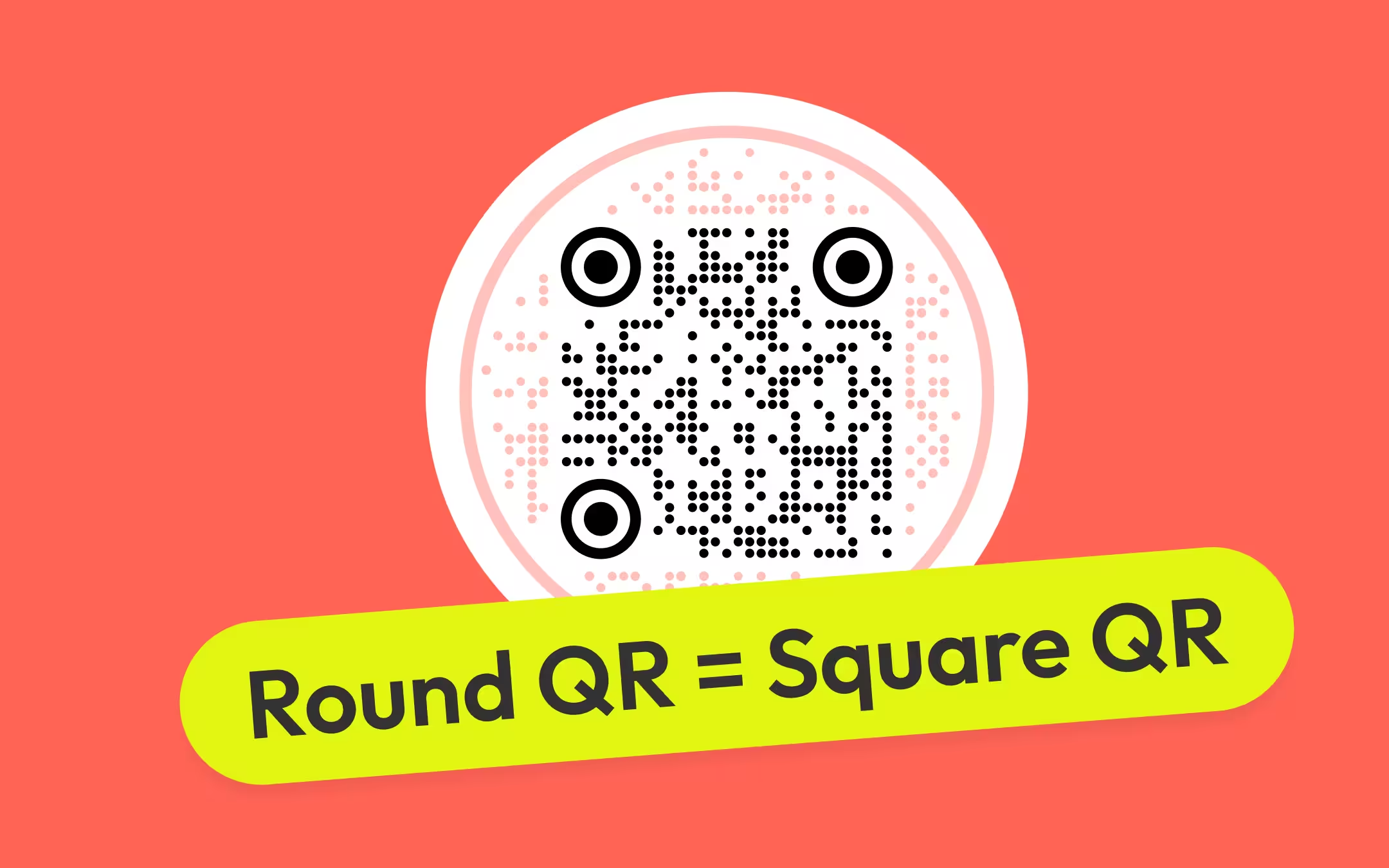
A Round QR Code Is a Square QR Code in a Costume
Industry
Best Free QR Code Generators in 2026
Questions? Answered
A guide takes one decision - which error correction level, how many pixels, barcode or QR - and answers it end to end, and it's rewritten when the answer changes. A post is dated writing: what we found, what we built, what happened. If you're about to print something, the guides are the ones to read.
There's no schedule. A post goes up when something has actually changed in the tool, or when a question came up often enough to be worth measuring properly. Every post shows the date it was published, so you can see for yourself how current it is.
Every figure names its source in the sentence that states it - the ISO/IEC 18004 tables, a published standard, or a measurement we describe well enough for you to repeat. Where something is an opinion rather than a measurement, it's written as one.
Posts are written in English first. The rest of the site - the guides, the QR types, the use cases - is translated into ten languages, and a post is translated when it's worth translating rather than automatically.
Why KoloQR?
- Create QR codes for websites, menus, Wi-Fi, PDFs, and business cards
- Customize colors, logos, and unique shapes
- Download high-quality PNG and SVG files
- Built for both print and digital